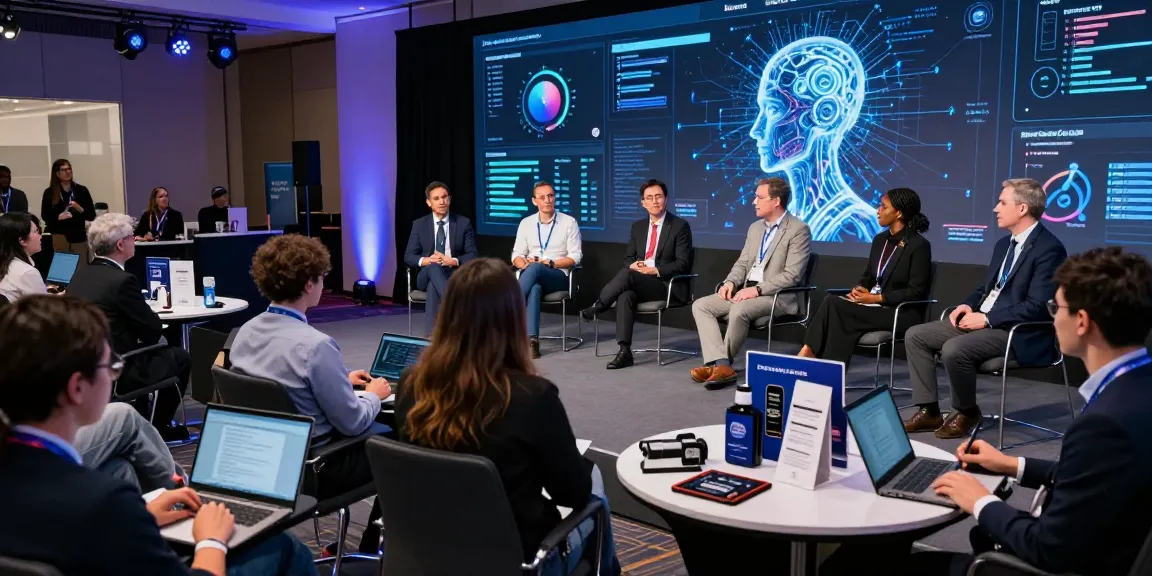

Understanding AI in Design and User Interaction
Artificial intelligence (AI) has emerged as a transformative force across various industries, particularly in design and user interaction. As technology continues to evolve, the integration of AI in creative processes is not just a trend but a necessity for businesses aiming to enhance user experience (UX) and streamline design workflows. When exploring options, ai slut provides comprehensive insights into how AI can be leveraged to achieve innovative design solutions. This article delves into the role of AI in design, its benefits, current trends, and the challenges faced by designers.
What is AI and Its Role in Design?
AI refers to the simulation of human intelligence processes by machines, particularly computer systems. In design, AI plays an instrumental role by automating repetitive tasks, analyzing data patterns, and offering personalized experiences to users. By harnessing AI, designers can focus on more strategic aspects of their work, leading to enhanced creativity and productivity. For instance, AI algorithms can analyze user preferences and behaviors, enabling designers to create more targeted and effective design solutions.
Key Benefits of AI-Driven Design Solutions
- Increased Efficiency: AI tools can automate mundane tasks, such as resizing images or generating color palettes, allowing designers to allocate their time to more creative endeavors.
- Data-Driven Insights: Utilizing AI for user data analysis can provide invaluable insights that inform design decisions and enhance user engagement.
- Personalization: AI enables the creation of personalized user experiences by analyzing individual user behavior and preferences, resulting in designs that resonate more effectively.
- Rapid Prototyping: AI-powered tools allow for quick iterations and testing of design concepts, reducing the time needed to bring products to market.
Current Trends in AI Technology for 2026
As we approach 2026, several trends are emerging in AI technology that are set to reshape the design landscape:
- Generative Design: AI will increasingly be used to generate design options based on user-defined constraints, allowing for a broader exploration of creative possibilities.
- AI-Enhanced User Interfaces: Expect more intuitive interfaces that adapt to user behavior and preferences, making interactions smoother and more engaging.
- Collaboration Tools: AI-powered collaboration platforms will facilitate teamwork among designers, enabling them to share insights and feedback in real-time, regardless of location.
- Accessibility Features: AI will play a crucial role in creating designs that are more accessible to users with diverse needs, ensuring inclusivity in digital products.
Overcoming Common Challenges in AI Design
While the benefits of AI in design are compelling, there are several challenges that designers must navigate to implement these technologies effectively.
Misconceptions About AI in the Creative Field
One of the primary misconceptions is that AI will replace human designers. In reality, AI is a tool that enhances the designer's capabilities. It augments creativity by providing insights and automating mundane tasks rather than replacing human intuition and artistry.
Technical Obstacles in AI Implementation
Technical barriers, such as integration with existing tools and software, can hinder the adoption of AI in design workflows. Organizations may face challenges in aligning AI tools with their current infrastructure, which can lead to disruptions and inefficiencies.
Strategies to Integrate AI into Existing Workflows
To smoothly integrate AI into design processes, organizations should start with a pilot program that allows teams to experiment with AI tools without overhauling existing systems. Training sessions focused on understanding AI capabilities and limitations can help foster a culture of innovation. Additionally, collaborating with AI experts can provide valuable insights into effective implementation strategies.
Best Practices for Utilizing AI in User Experience
As AI continues to evolve, understanding how to effectively incorporate its capabilities into user experience design is essential for creating compelling products.
Effective Techniques for AI-Enhanced User Interfaces
- Adaptive Learning: Utilize AI to create interfaces that adapt based on user interactions, enhancing usability and personalization.
- Natural Language Processing: Integrate conversational AI to facilitate more intuitive user interactions through chatbots and virtual assistants.
- Predictive Analytics: Implement AI-driven analytics to anticipate user needs and optimize interface elements accordingly.
Case Studies on Successful AI Implementation
Several companies have successfully integrated AI into their design processes. For example, Netflix uses AI algorithms to analyze viewing patterns, enabling the platform to suggest content tailored to individual preferences, significantly enhancing user engagement. Similarly, Adobe's suite of creative tools now incorporates AI features that streamline workflows and elevate design quality.
Measuring User Engagement Through AI Analytics
Using AI analytics tools, designers can track user behavior in real-time, gaining insights into which elements drive engagement. Metrics such as click-through rates, session durations, and user feedback can inform design adjustments and iterative improvements, leading to a more engaging user experience.
Future Innovations in AI Design Technology
The future of AI in design holds exciting possibilities that can redefine how we approach creativity and user interaction.
Emerging Tools and Software for 2026
As we look to 2026, several emerging tools and software solutions are likely to take center stage in AI-driven design:
- Advanced Prototyping Tools: Expect software that allows for real-time collaboration and AI-driven feedback during the design process.
- AI-Based Usability Testing: Tools that simulate user interactions and provide insights into user experience will become more prevalent, making testing more accessible.
- Design Automation Platforms: Platforms that automate design generation based on user input and preferences will streamline creative processes and enhance productivity.
Potential Market Shifts and User Expectations
As AI technology continues to advance, user expectations will shift towards more personalized and seamless experiences. Consumers will increasingly demand designs that intuitively meet their needs without requiring extensive input or effort, pushing designers to innovate continuously.
Expert Predictions on AI Trends in Design
Industry experts predict that by 2026, AI will not only influence how designs are created but also how they are perceived. The rise of intelligent design systems that learn from user interactions will facilitate a more dynamic and responsive approach to design, allowing for a level of customization previously unattainable.
Getting Started with AI Tools for Designers
For designers looking to harness the power of AI, the journey begins with selecting the right tools and understanding how to implement them effectively in projects.
Top AI Platforms for Graphic and UI Design
- Canva: Offers a range of AI-powered features for graphic design, including automatic suggestions and layout adjustments.
- Figma: Incorporates AI functionalities that enhance collaborative design efforts and streamline workflow processes.
- Sketch: With plugins that leverage AI, Sketch allows for personalized design experiences and improved productivity.
Step-by-Step Guide to Using AI in Projects
To effectively use AI tools, designers can follow these steps:
- Define Objectives: Clearly outline what you aim to achieve with AI integration.
- Research Tools: Explore available AI tools that align with your design needs and objectives.
- Test in a Controlled Environment: Start with small projects to test the capabilities and impact of AI on your workflow.
- Gather Feedback: Collect insights from team members and users to understand the effectiveness of AI-driven design.
- Iterate and Improve: Use the feedback to refine your approach and enhance the integration of AI in future projects.
FAQs About AI Tools and Designer Roles in 2026
As AI continues to evolve, many in the design community have questions about its implications:
- Will AI replace designers? No, AI is meant to augment the design process, helping designers to focus on creative aspects.
- How can I stay relevant in an AI-driven landscape? Embrace learning and adapt to new tools while enhancing your unique creative skills.
- What are the best resources for learning AI in design? Online courses, tutorials, and community forums are excellent resources for acquiring AI skills relevant to design.