
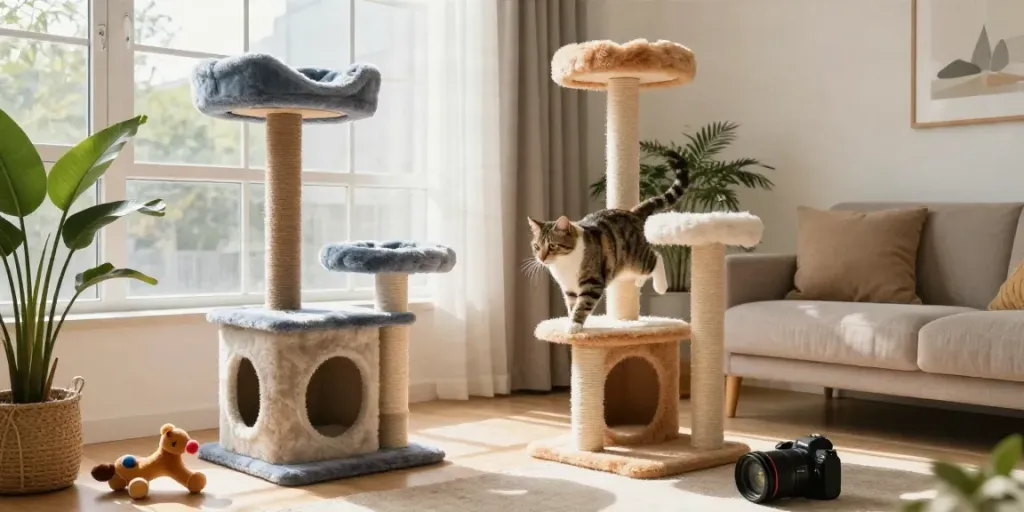
Understanding the Importance of a Cat Tree
For feline companions, having a dedicated space to play, scratch, and lounge is essential for their physical and emotional well-being. A cat tree serves as a multi-functional piece of furniture that enriches your cat's environment and provides numerous benefits. In this article, we will delve into the importance of cat trees, the benefits they offer to indoor cats, and how to choose the right size and style for your home.
Why Every Cat Needs a Cat Tree
Every cat, regardless of age or breed, can benefit from having a cat tree in their home. These structures mimic natural environments, offering cats a place to climb, explore, and observe their territory from a height.
- Instinctual Behavior: Cats are natural climbers, and a cat tree satisfies their instinct to perch and observe, giving them a sense of security.
- Exercise and Stimulation: Climbing provides physical exercise, helping prevent obesity and associated health issues.
- Reduced Anxiety: A cat tree can help alleviate stress and anxiety, providing a safe space for your cat to retreat when needed.
Benefits for Indoor Cats
Indoor cats, in particular, may lack stimuli that outdoor cats enjoy. Cat trees help bridge this gap by providing the following benefits:
- Entertainment: Cat trees come with various features like toys and multiple levels that keep cats engaged and entertained.
- Scratching Opportunities: They offer designated scratching areas, which can save your furniture from unwanted claw marks.
- Resting Zones: Many cat trees include cozy nooks or hammocks that serve as perfect spots for your cat to nap.
Choosing the Right Size and Style
When selecting a cat tree, consider your available space and your cat's needs. There are numerous styles and sizes available to ensure a perfect fit for your home:
- Size: Make sure the cat tree is proportional to your cat's size; larger breeds may require sturdier, more expansive trees.
- Style: Choose a style that complements your home decor, whether it be modern, rustic, or whimsical.
- Height: Cats love heights, so opt for a taller model if you have the space, but ensure it is stable as well.
Key Features to Look For in a Cat Tree
When investing in a cat tree, it's crucial to evaluate several key features to ensure you select a product that is durable, safe, and enjoyable for your cat.
Material Durability and Safety
The materials used in the construction of a cat tree are vital for its longevity and your cat's safety. Look for:
- Sturdy Construction: Ensure the cat tree can withstand your cat's jumping and climbing. Solid wood or high-quality engineered wood are preferable over flimsy particleboard.
- Non-Toxic Materials: Check that paints and adhesives are non-toxic, especially if you have a kitten that loves to chew.
Height and Stability Considerations
Height is a critical factor for cats, as they naturally seek high vantage points. However, stability is equally important:
- Base Size: A wider base can enhance stability, making it safer for larger cats to climb without toppling over.
- Weight Limits: Always check the weight limit to ensure multiple cats or larger breeds can comfortably use the tree.
Incorporating Play Areas and Scratching Options
A cat tree should feature various elements to keep your feline engaged:
- Multiple Levels: Cats love to jump from level to level, so multiple platforms are essential.
- Interactive Features: Incorporate hanging toys or tunnels that can stimulate your cat's hunting instincts.
- Scratching Posts: Ensure there are plenty of scratching surfaces, preferably made from sisal, which is durable and satisfying for cats.
Design Trends for Cat Trees in 2026
As we move further into 2026, the design trends for cat trees are evolving to meet the demands of modern pet owners who seek functionality blended with stylish home decor.
Modern Aesthetic vs. Functional Design
Today's cat trees are designed not only for utility but also to complement home aesthetics:
- Sleek Lines: Many cat trees now feature minimalist designs that blend seamlessly into contemporary living spaces.
- Color Options: Expect a variety of colors to match your home decor, from neutral tones to vibrant designs.
Eco-Friendly Materials and Sustainability
With an increased focus on sustainability, many manufacturers are opting for eco-friendly materials:
- Recycled Materials: Look for cat trees made from recycled wood or synthetic materials that have a lower environmental impact.
- Organic Fabrics: Fabrics that are organic and free from harmful chemicals are becoming increasingly popular.
Integrating Cat Trees into Home Decor
Modern cat trees can double as furniture, integrating seamlessly into your home decor:
- Customizable Designs: Many brands offer modular designs that can fit various spaces, allowing cat owners to create a bespoke setup.
- Dual-Purpose Furniture: Some cat trees are designed to serve as bookshelves or side tables, maximizing space without compromising on style.
How to Train Your Cat to Use a Cat Tree
Once you've selected the perfect cat tree for your feline friend, training them to use it can enhance their experience and ensure they get the most out of their new investment.
Understanding Feline Behavior
Understanding your cat's behavior is crucial for effective training. Cats often are creatures of habit, and introducing them to a new structure requires patience. Here are some insights:
- Curiosity: Cats are naturally curious and may investigate the tree on their own.
- Territorial Instincts: Encourage your cat to mark the cat tree with their scent through scratching.
Positive Reinforcement Techniques
Use positive reinforcement to encourage your cat to engage with the tree:
- Treat Rewards: Place treats on different levels of the cat tree to entice your cat to explore.
- Playtime: Use toys to attract your cat’s attention to the tree, promoting climbing and scratching.
Creating a Stimulating Environment
To encourage your cat to utilize their new tree, it’s necessary to create a stimulating environment:
- Addable Toys: Integrate toys or dangling features to keep your cat engaged.
- Regular Interaction: Spend time around the cat tree to create a comfortable atmosphere where your cat feels safe to explore.
Frequently Asked Questions About Cat Trees
As a pet owner, you may have several queries regarding cat trees. Here are some frequently asked questions to guide your decision-making process:
What Size Cat Tree is Best for My Cat?
The size of your cat tree should correspond with your cat's size and the space available in your home. Generally, larger cats require more robust and spacious trees, while smaller breeds can thrive on compact models.
Are Cat Trees Worth the Investment?
Absolutely! Cat trees promote healthier behaviors, provide entertainment, and can prevent destructive scratching of furniture, making them a worthwhile investment for any committed cat owner.
How to Maintain and Clean a Cat Tree?
Regular maintenance includes vacuuming to remove fur and wiping down surfaces with a pet-safe cleaner. Check for wear and tear to ensure the tree remains safe for use.
Can Multiple Cats Share One Cat Tree?
Yes, but it's crucial to select a model that can accommodate multiple cats with ample space and resources to avoid disputes.
What Features Do Cats Prefer in Cat Trees?
Most cats favor tall trees with various perches, scratching areas, and interactive elements that engage their hunting instincts.