
Understanding Event Needs
Planning an event can be one of the most rewarding yet challenging tasks to undertake. Whether you’re organizing a corporate function, wedding, or any social gathering, pinpointing your event’s specific needs sets the foundation for success. By leveraging resources such as https://www.casablancahire.co.uk/, you can streamline this process.
Identifying Your Event Type
The first step in understanding your event needs is to identify the type of event you are hosting. Events can range from formal corporate meetings to family celebrations. Each type has unique requirements regarding location, atmosphere, and logistics. For instance, a wedding typically requires a romantic setting, whereas a corporate event demands a professional environment. You need to assess what type of ambiance you want to create and what framing will best support your goals.
Setting Your Budget
Budgeting is crucial for any event plan. Create a detailed budget that outlines every aspect of your event, from venue rental and catering to decor and entertainment costs. Consider unexpected expenses and allow for flexibility within your budget to handle any surprises. Using budgeting tools or templates can help you allocate funds efficiently and keep your spending on track.
Determining Guest Expectations
Understanding your guests’ expectations is vital to planning a successful event. Gather information about their preferences, needs, and any special requirements. This insight can guide your decisions regarding food, entertainment, and even seating arrangements. Engaging with potential attendees through surveys or informal discussions can yield valuable data to enhance your event experience.
Your Event Planning Checklist
Having a detailed event planning checklist is invaluable. It ensures you systematically address all essential components, mitigate risks, and streamline execution.
Essential Supplies for Seamless Events
Depending on your event type, your supply list may include tables, chairs, linens, audio-visual equipment, and more. Ensure you order high-quality items that suit the venue’s theme and accommodate the number of guests. Additionally, keep spare supplies on hand to address any last-minute needs.
Choosing the Right Venue
The venue is often the centerpiece of your event. Consider factors such as capacity, location, accessibility, and amenities when selecting your site. Visit potential venues to assess their suitability. Look for flexible spaces that can adapt to your event’s needs, be it a formal banquet or a casual social gathering.
Timeline and Milestones
A comprehensive timeline is essential for successfully executing your plan. Start by outlining key milestones and deadlines leading up to the event date. This timeline should include booking confirmations, payment schedules, promotional activities, and logistics planning. Regularly review and adjust your timeline as needed to stay on track.
Enhancing Guest Experiences
Creating memorable experiences for your guests should be a top priority. These experiences will not only engage attendees but also make your event stand out.
Innovative Decor Ideas
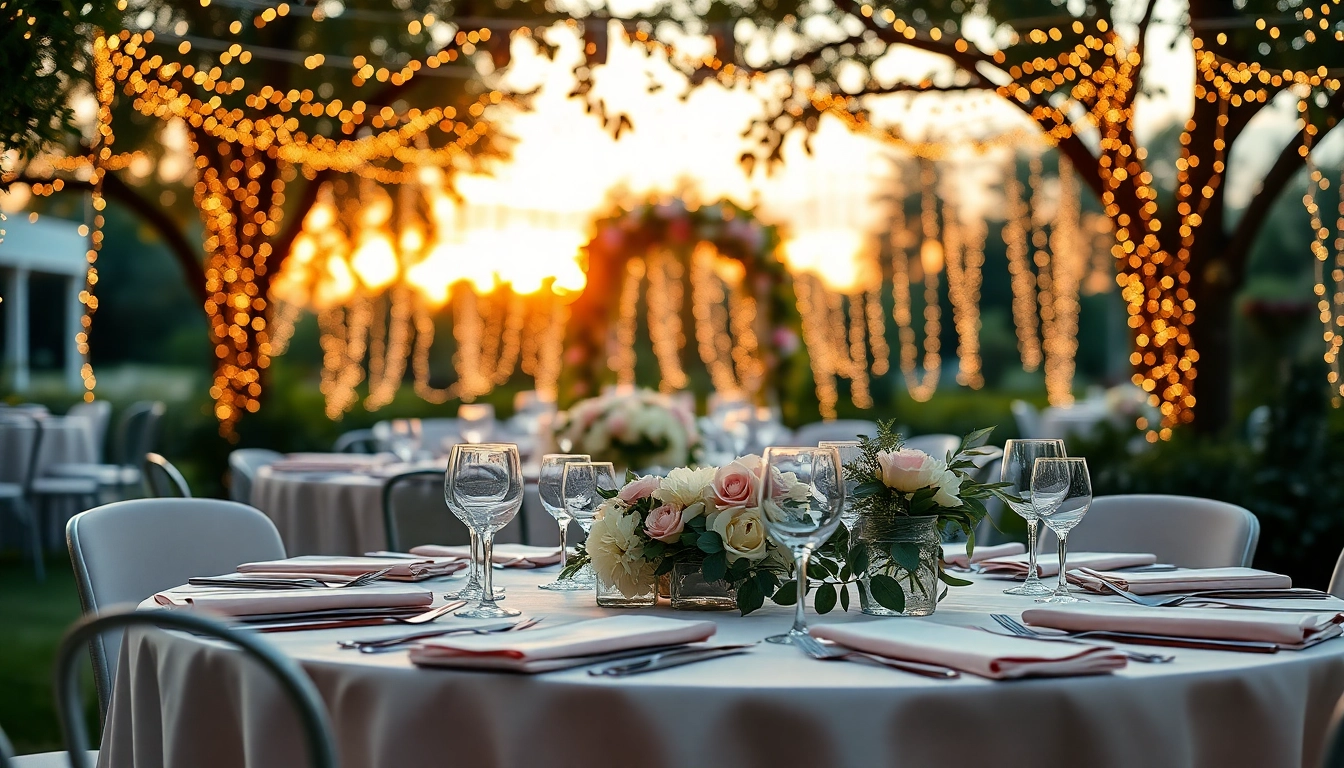
Decor plays a significant role in setting the mood of any event. Incorporate unique and trendy decor ideas that resonate with your theme and audience. Personalization can elevate your decor, such as creative centerpieces or themed backdrops. Additionally, technology-driven decor, such as LED lighting or interactive installations, can captivate guests’ attention and enhance the event atmosphere.
Engagement Activities and Entertainment
Interactive activities and entertainment keep guests engaged throughout the event. Consider live performances, interactive games, or specialty workshops to capture participants’ interest. Tailoring these activities to your audience ensures that they feel included, making your event more enjoyable. Review feedback from previous events to gauge what type of entertainment has worked well in the past.
Creating Comfortable Environments
Comfort is key to a positive event experience. Ensure that your venue accommodates the guests comfortably, with appropriate seating arrangements and temperature control. Additionally, consider providing relaxation areas with refreshments or lounge setups to encourage networking and informal interactions. Small touches like sufficient restroom facilities and accessibility can significantly enhance comfort levels.
Event Setup Best Practices
Efficient setup protocols can relieve much of the stress associated with event planning. Establishing best practices will help ensure a seamless event experience from setup to breakdown.
Logistics: From Setup to Breakdown
Effective logistics coordination is essential. Develop a detailed plan outlining setup and breakdown procedures, including timelines and personnel assignments. Ensure that all supplies are delivered to the venue ahead of time and prearranged tasks are completed promptly to allow for a smooth transitions. A dry run before the event can help identify potential issues and solutions.
Managing Staff and Resources
Recruiting and managing your team is crucial for successful event execution. Assign clear roles and responsibilities to each staff member. Conduct training sessions to align everyone on their tasks and communicate how each role contributes to the event’s overall goals. Regular check-ins during the event can help address any emerging issues quickly.
Safety and Compliance Considerations
Pay special attention to safety and compliance during the event planning process. Ensure that your venue meets safety standards and that you adhere to local regulations regarding capacity, health measures, and logistics. Create contingency plans for emergencies, and communicate these effectively to your team and guests.
Measuring Event Success
Post-event evaluation is essential for continuous improvement. Collecting and analyzing feedback allows you to measure success and make informed decisions for future events.
Gathering Guest Feedback
One of the best ways to evaluate your event’s success is by gathering guest feedback. Utilize surveys, interviews, or informal discussions to determine areas where your event succeeded and aspects that could be improved. Be sure to ask open-ended questions for deeper insights and consider incentivizing participation in feedback to increase response rates.
Analyzing Attendance and Engagement Data
Data analysis is crucial for understanding the effectiveness of your strategies. Track attendance rates and engagement metrics using tools that can capture real-time data during the event. Analyze this information to assess whether you met your goals and identify trends for your next gathering.
Improving for Future Events
Use the insights gained from feedback and data analysis to refine your planning process for future events. Document lessons learned and alter your checklist, budget, and approaches accordingly. Continuous improvement leads to more memorable events that resonate with your audience.
FAQs
What types of events can Casablanca Hire accommodate?
Casablanca Hire can accommodate weddings, corporate events, birthday parties, and more, tailored to your needs.
How far in advance should I book my event rental?
It’s best to book at least 3-6 months in advance to secure your desired date and ensure availability.
What rental items are essential for a successful event?
Essential items include tables, chairs, linens, dinnerware, and audiovisual equipment depending on the event type.
Can Casablanca Hire assist with event setup and breakdown?
Yes, Casablanca Hire provides setup and breakdown services as part of their comprehensive event rental offerings.
How do I handle unexpected changes on event day?
Having a flexible plan and a dedicated point of contact can help manage unexpected changes efficiently.